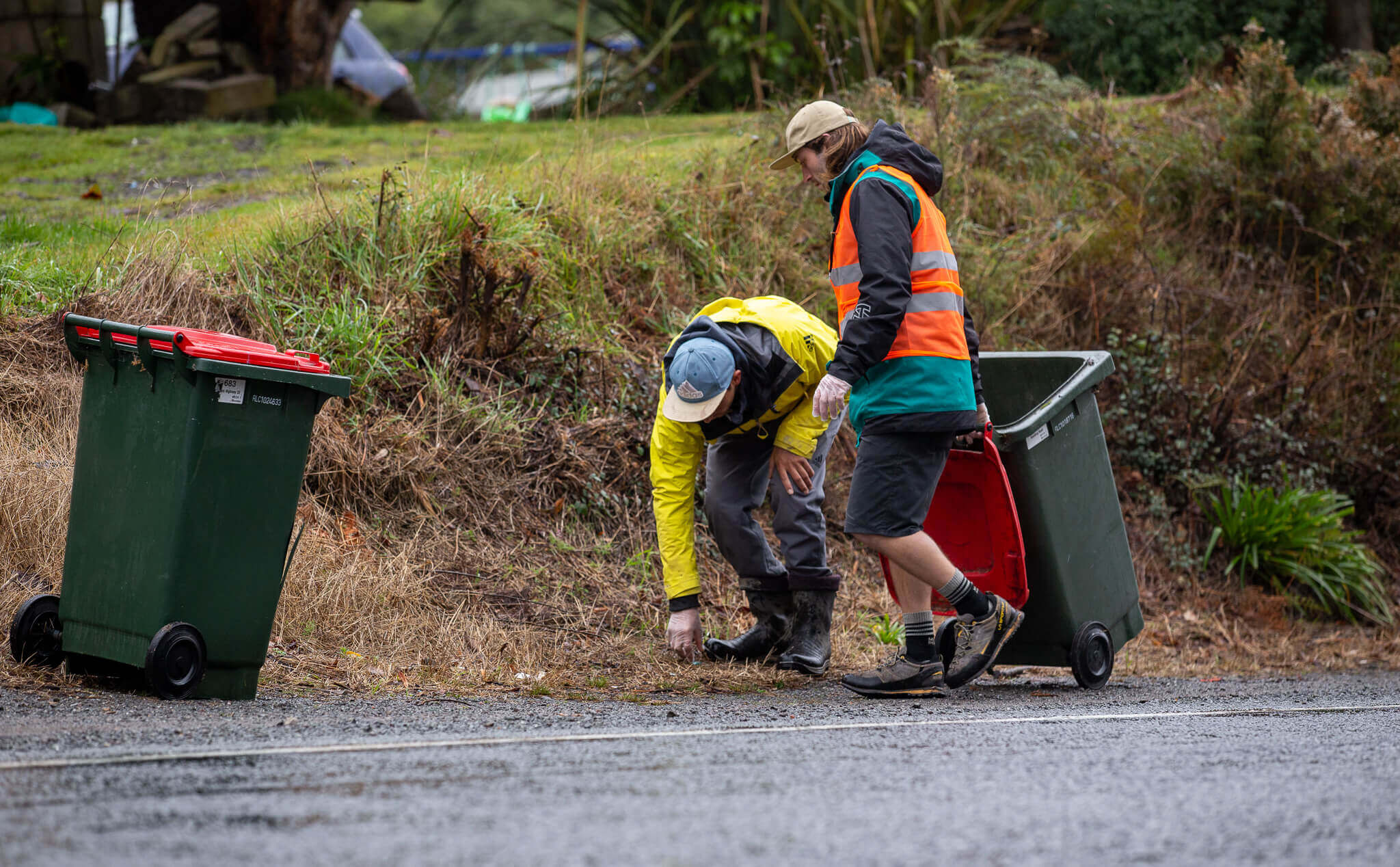
Native trees are more than just pretty scenery in Rotorua. They're the lifeblood of our ecosystem, the guardians of our waterways, and the foundation of everything we do at Rotorua Rafting. As a conservation-focused tourism business, we've watched firsthand how native trees transform landscapes and protect the region we all love. From the Kaituna River to the forests surrounding our adventure zones, native trees are essential.
At Rotorua Rafting, we work alongside Rotorua Ziplines and local conservation groups to restore and protect native forests. We're EKOS Carbon Positive certified, we run pest trapping programmes, and we actively plant native trees at Ōkere Falls and across our operating areas. But why do we care so deeply? Here are 20 reasons to love native trees, and why Rotorua needs them more than ever.
Native trees absorb carbon dioxide and release oxygen. In Rotorua, where tourism is thriving, native trees are our silent air-cleaning machines, helping offset the carbon footprint of our region.
The Kaituna River, where Rotorua Rafting guides thousands of visitors every year, depends on native trees. Tree roots filter water, prevent erosion, and keep our rivers clean. No native trees, no clean water.
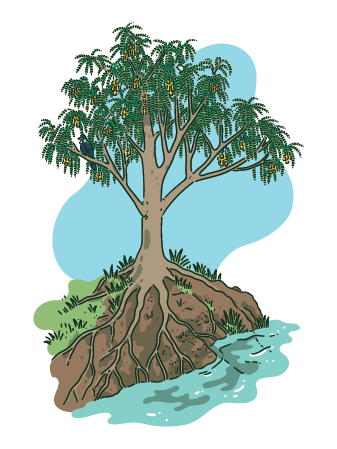
Rotorua's native birds, insects, and wildlife depend on native trees for food, shelter, and nesting sites. Tui, fantails, and native bats all rely on the canopy that native species provide.
Climate change is real, and it's affecting Rotorua. Native trees absorb carbon at a faster rate than exotic species, making reforestation a critical climate action. Our carbon-positive certification depends on it.
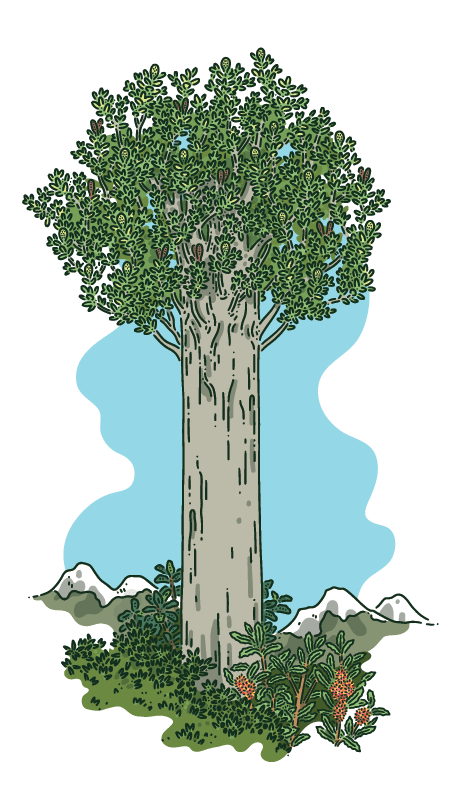
Native tree roots bind soil, preventing landslides and erosion. In Rotorua's geothermal landscape, where the ground is already unstable, native trees are natural stabilisers.
Let's be honest. Nothing compares to the beauty of a native forest in full leaf. Whether you're rafting past them or zip-lining through them, native trees make Rotorua stunning.
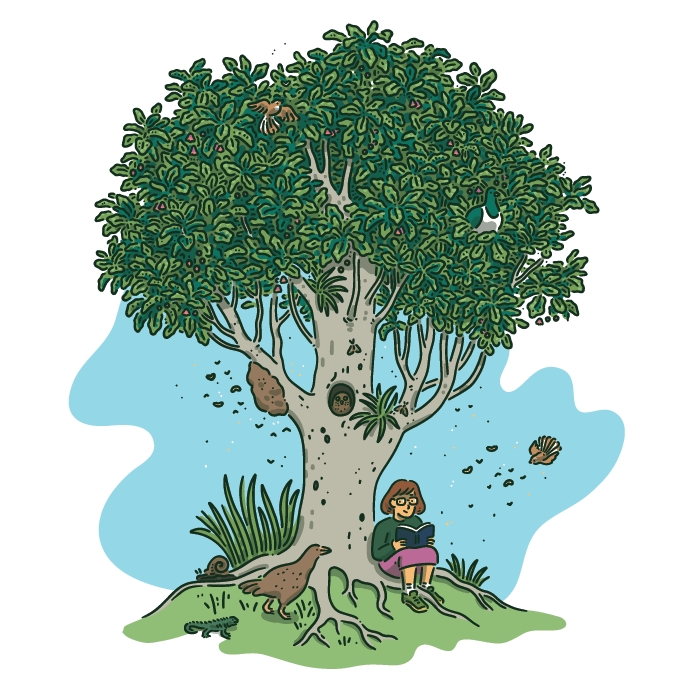
Tourism in Rotorua—including adventure tourism like rafting and zip-lining—depends on landscape beauty. Native forests are what make our region worth visiting. Rotorua Ziplines and Rotorua Rafting both operate in landscapes protected by native trees.
Studies show time among trees reduces stress and improves wellbeing. For Rotorua residents and visitors, native forests are natural therapy.
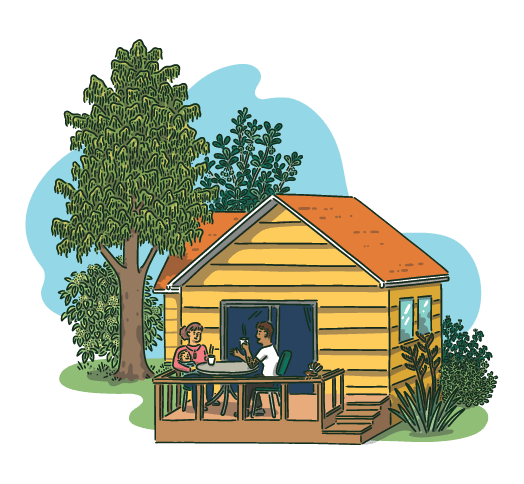
Reforestation, conservation work, and forest management create local jobs. Our pest trapping programmes, tree planting initiatives, and native habitat restoration employ people across Rotorua.
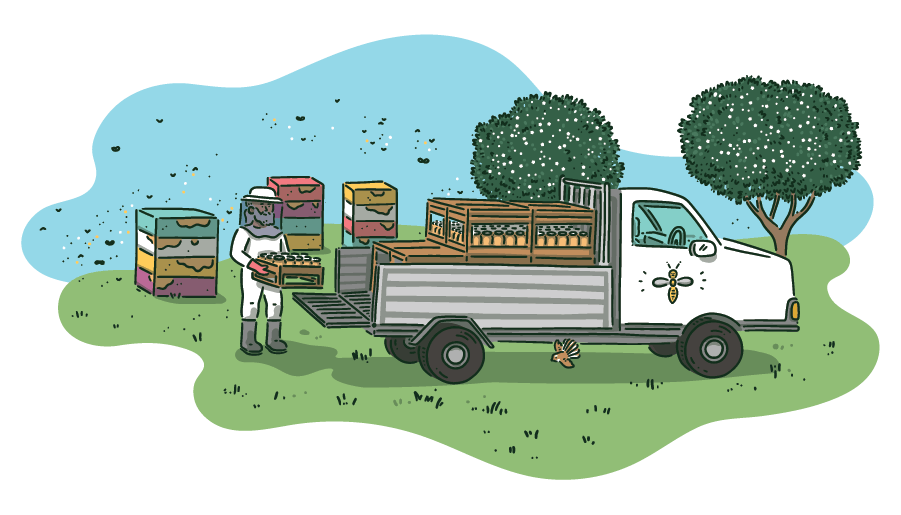
Native trees produce fruit, seeds, and flowers that feed birds, bats, and insects. Native forests are ecosystems that feed themselves—no monoculture required.
Native trees are part of Māori heritage and identity in Rotorua. They're woven into our cultural landscape and deserve respect and protection.
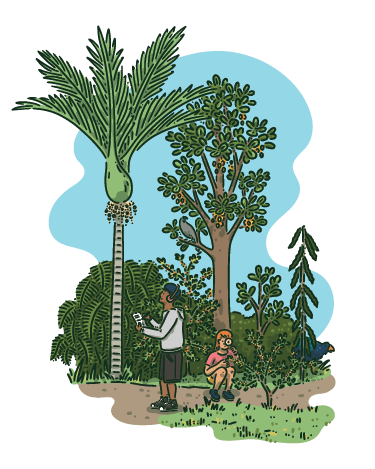
While exotic trees might last 50 years, native species grow for 200+ years. They're an investment in the future, not just the present.
Native trees absorb air pollution, heavy metals, and other contaminants. In a region with geothermal activity and tourism traffic, native trees are environmental filters.
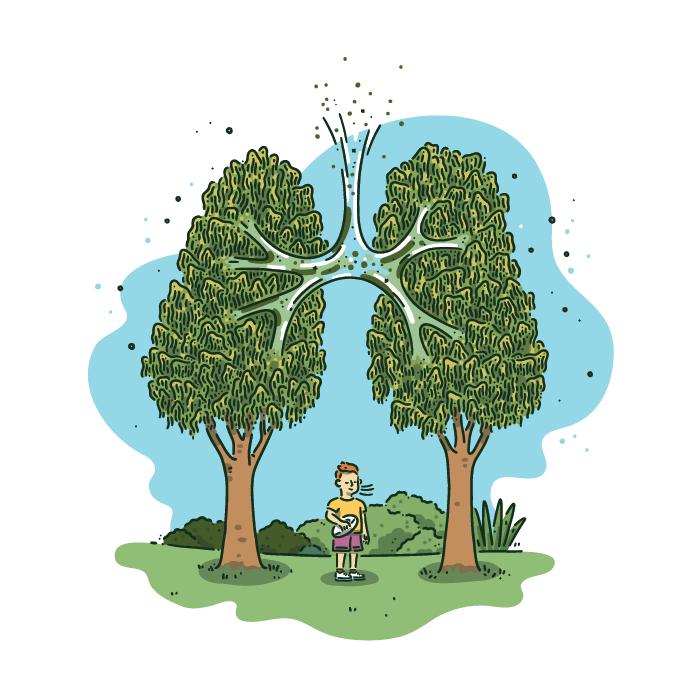
Native tree canopies absorb sound, making Rotorua quieter and more peaceful. This is especially important in high-tourism areas.
A healthy native forest is naturally resistant to invasive weeds, pests, and diseases. We protect native forests; they protect themselves.
One native tree species supports dozens of other plant and animal species. Native forests are biodiversity hotspots.
Native trees provide natural shade, reducing urban temperatures and energy costs for cooling buildings—important in hot Rotorua summers.
At Rotorua Rafting, native tree planting isn't optional. It's core to who we are. Our EKOS Carbon Positive certification means we actively restore native forest habitat.
Our sister company, Rotorua Ziplines, operates within native forest canopy. Every zip-line tour moves through habitat we're all working to protect.
Native trees represent Rotorua's future. Climate resilience, cultural identity, economic vitality, and ecological health all depend on them. They're worth every effort.
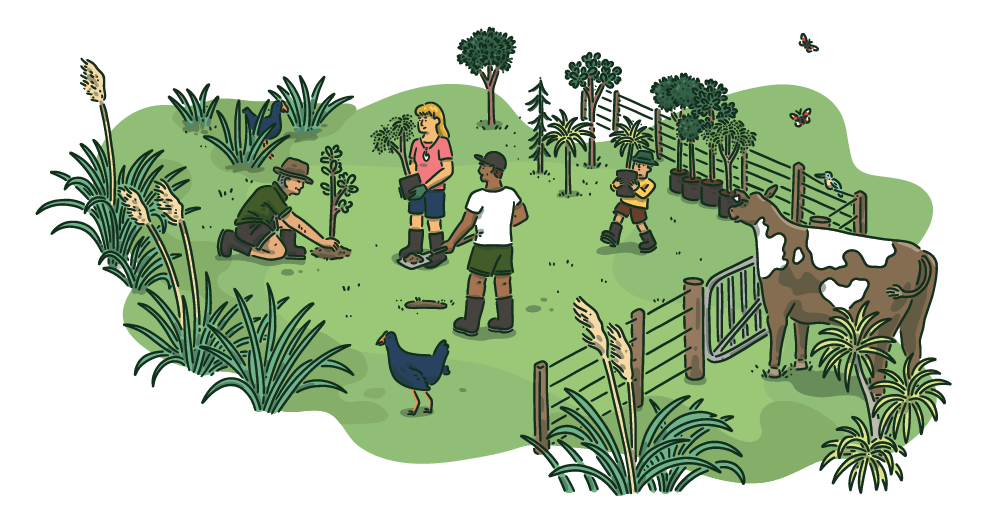
Native trees don't plant themselves. Here's how you can help:
Plant native: If you have land, work with local organisations to plant native species.
Support conservation: Back local groups working on native forest restoration in Rotorua.
Choose responsible tourism: Visit businesses like Rotorua Rafting and Rotorua Ziplines that prioritise conservation and native habitat protection.
Reduce your footprint: The less carbon you produce, the fewer trees need to offset it. Drive less, fly less, choose sustainable options.
Learn more: Visit the Rotorua Lakes Council website for local conservation initiatives and native planting opportunities.
Native trees are the backbone of Rotorua's identity. They clean our air, protect our water, feed our wildlife, and inspire everyone who experiences them. At Rotorua Rafting, we're committed to protecting and restoring them—not because it's good marketing, but because our region depends on them.
Whether you're rafting the Kaituna, zip-lining through the canopy with Rotorua Ziplines, or simply walking through a native forest, you're experiencing the gift that native trees give us every single day.
Ready for an Adventure Among Native Trees? Book your next Kaituna River rafting experience and see native forests in action. Better yet, ask us about our conservation initiatives while you're here. We're proud of the native trees we're protecting and planting across Rotorua, and we'd love to share that passion with you.