Conservation is not one thing. It is not one project or one headline number. At Rotorua Rafting, the work spreads across waterways, farmland, lakes, and the street outside the front door. Conservation Week is a good moment to show the full picture.
The Catfish Problem in Lake Rotoiti
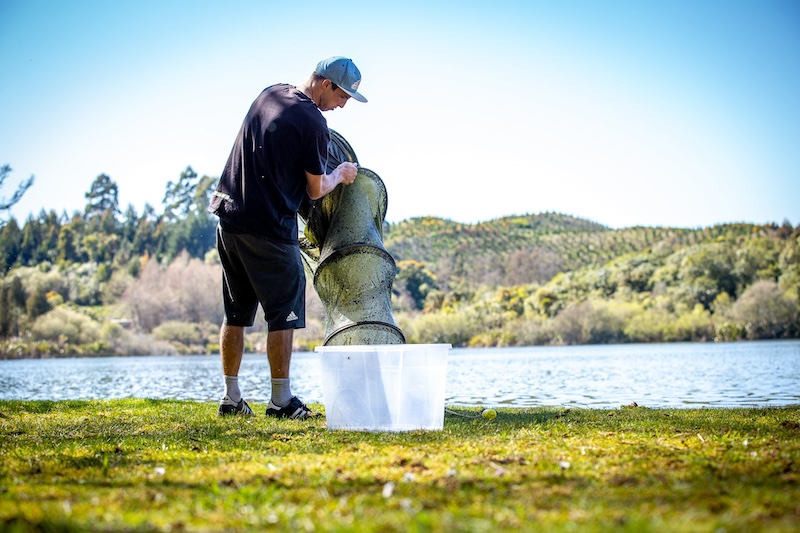
Brown bullhead catfish are one of New Zealand's most damaging freshwater pests. They churn up the lakebed, destroy aquatic vegetation, and create turbid conditions that destroy the habitat native species depend on. Rotorua Rafting works alongside the Te Arawa Lakes Trust and the 'Catfish Killas' initiative to check, clear, and monitor eradication nets in Lake Rotoiti. It is not glamorous work, but it is critical for the long-term health of the lake and the river systems that feed from it.
12,000 Square Metres of Gorse and Blackberry — Gone
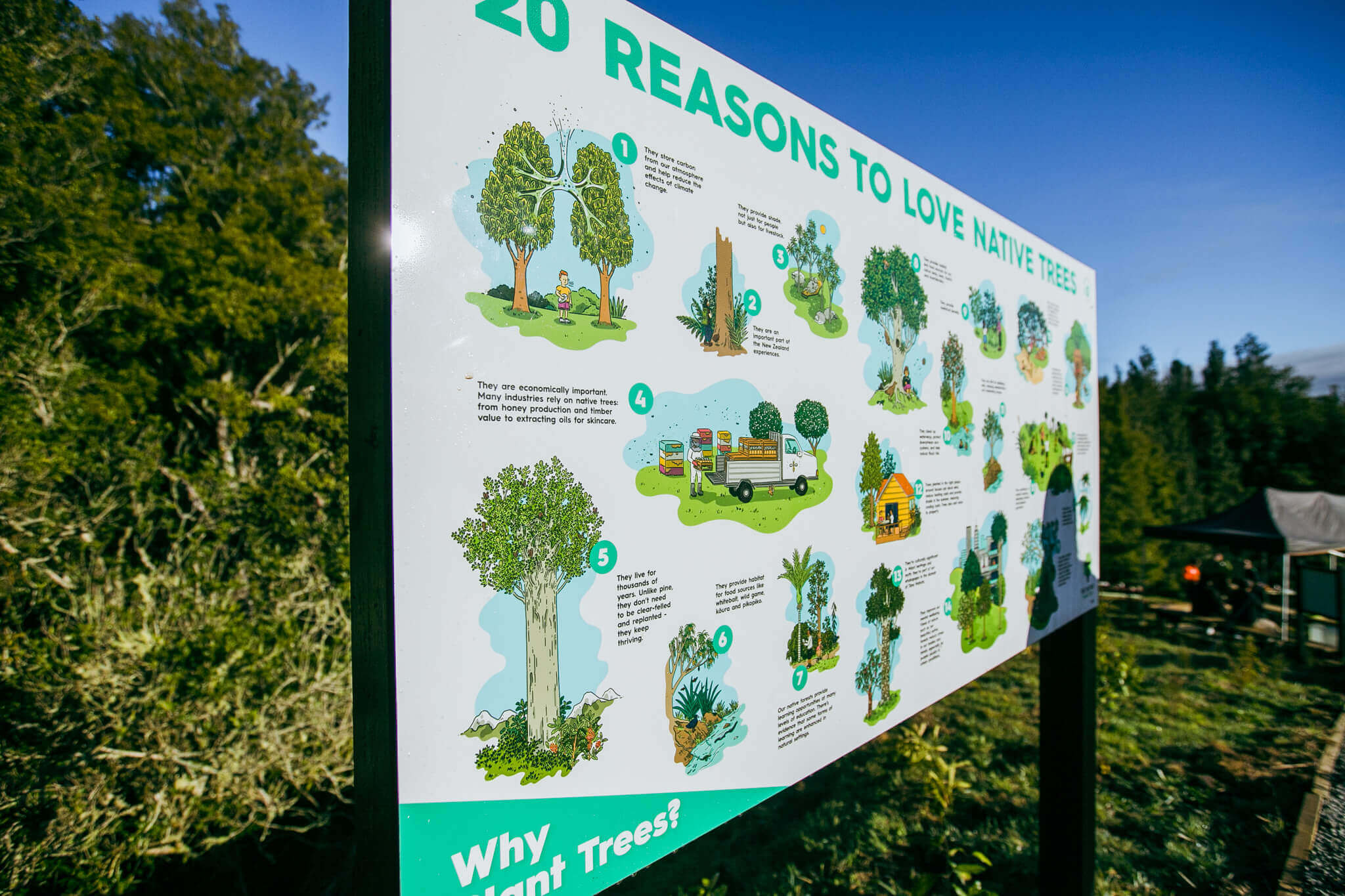
On the riverbanks surrounding the Kaituna, invasive weeds do serious damage. Blackberry and gorse crowd out native species, alter soil chemistry, and provide no habitat for native birds or insects. Rotorua Rafting has cleared 12,000 square metres of surrounding farmland and replaced it with native plantings, including a growing number of manuka along the river edge. Manuka is especially valuable: it stabilises banks, creates shade that regulates water temperature, and provides nectar for native insects and birds.
Monday Mornings at Ōkere Falls
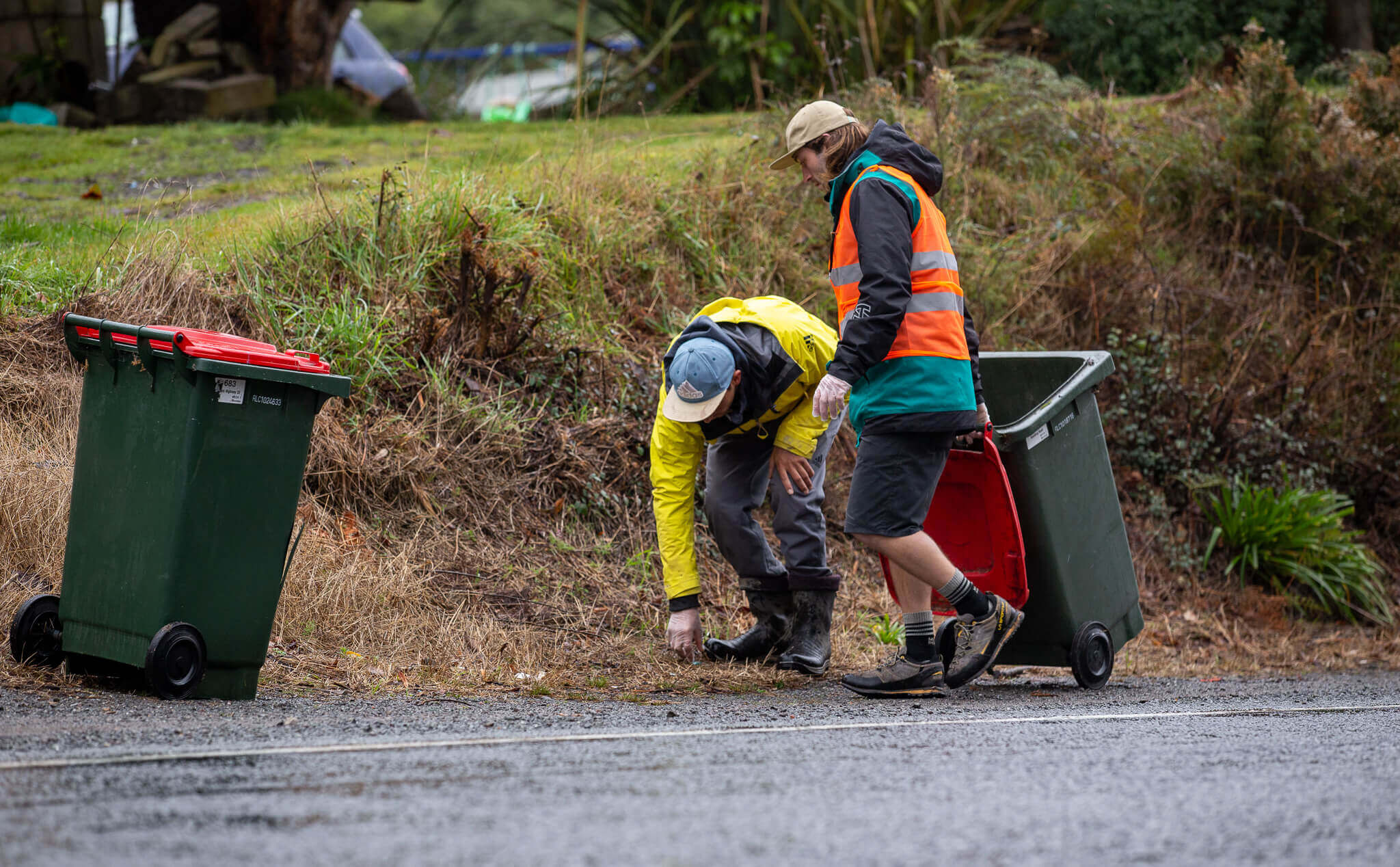
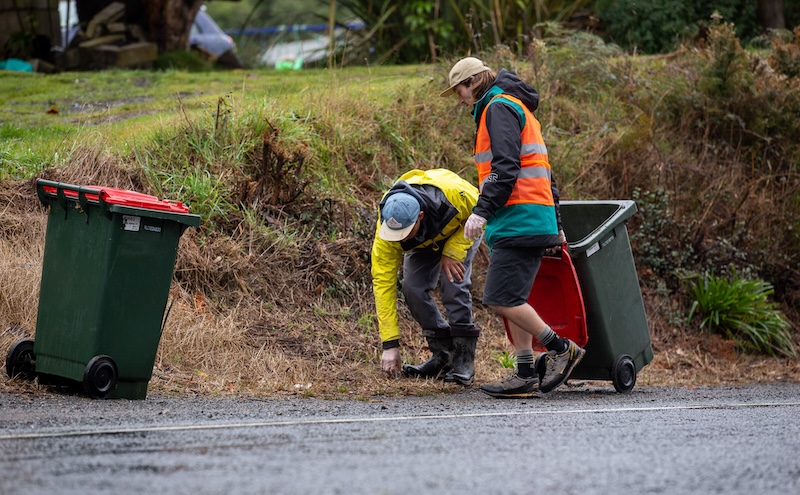
Every Monday, the Rotorua Rafting team donates an hour to pick up rubbish around the Kaituna River area. It is a small act — and it is also a values statement. The river is not just a venue for the business. It is a taonga worth caring for, and caring for it starts with the basics: keeping it clean, keeping it beautiful, keeping it safe for the community and the wildlife that depend on it. Over time, those Monday mornings add up to something significant.
A $2.50 Donation That Makes a Difference
Every guest who books through the Rotorua Rafting website has the option to donate $2.50 directly to the Ōkere Falls conservation projects. It is a small amount, but across hundreds of guests it adds up quickly — funding more planting, more pest control, more community action. If you have not added your $2.50 yet, it is not too late. And if you have, thank you — it is doing more than you might think.
Conservation at Rotorua Rafting is not a campaign. It is how we operate, every week, every season. Book your Kaituna experience and become part of the wider effort to protect this river and the landscapes around it.