Carbon neutral is a benchmark. Carbon positive means you have gone further — you are not just balancing the books, you are putting back more than you take. In March 2021, Rotorua Rafting became New Zealand's first carbon-positive tourism operator, certified through EKOS and offsetting emissions by 120%. Here is the story of how that happened, and what it means in practice.
Why 'Neutral' Was Not Enough
When Sam Sutton — four-time Extreme Kayaking World Champion and the river-born founder of Rotorua Rafting — set out to build a conservation-led tourism business, neutrality was never the goal. The Kaituna River is not just a venue. It is the reason the business exists. Operating in a way that simply does not make things worse felt like a low bar for a business built on the health of a river. The goal became carbon positive: actively putting more back than the operation takes out.
How EKOS Certification Works
EKOS is a New Zealand-based environmental certification body that helps organisations measure, reduce, and offset their carbon footprint. Rotorua Rafting's certification means every tonne of CO2 produced by operations — transport, equipment, facilities — is more than accounted for through verified carbon removal projects. Offsetting at 120% means the business is absorbing more carbon from the atmosphere than it emits. That 20% surplus goes into genuine regeneration, not just accounting.
The Physical Side of Carbon Positive
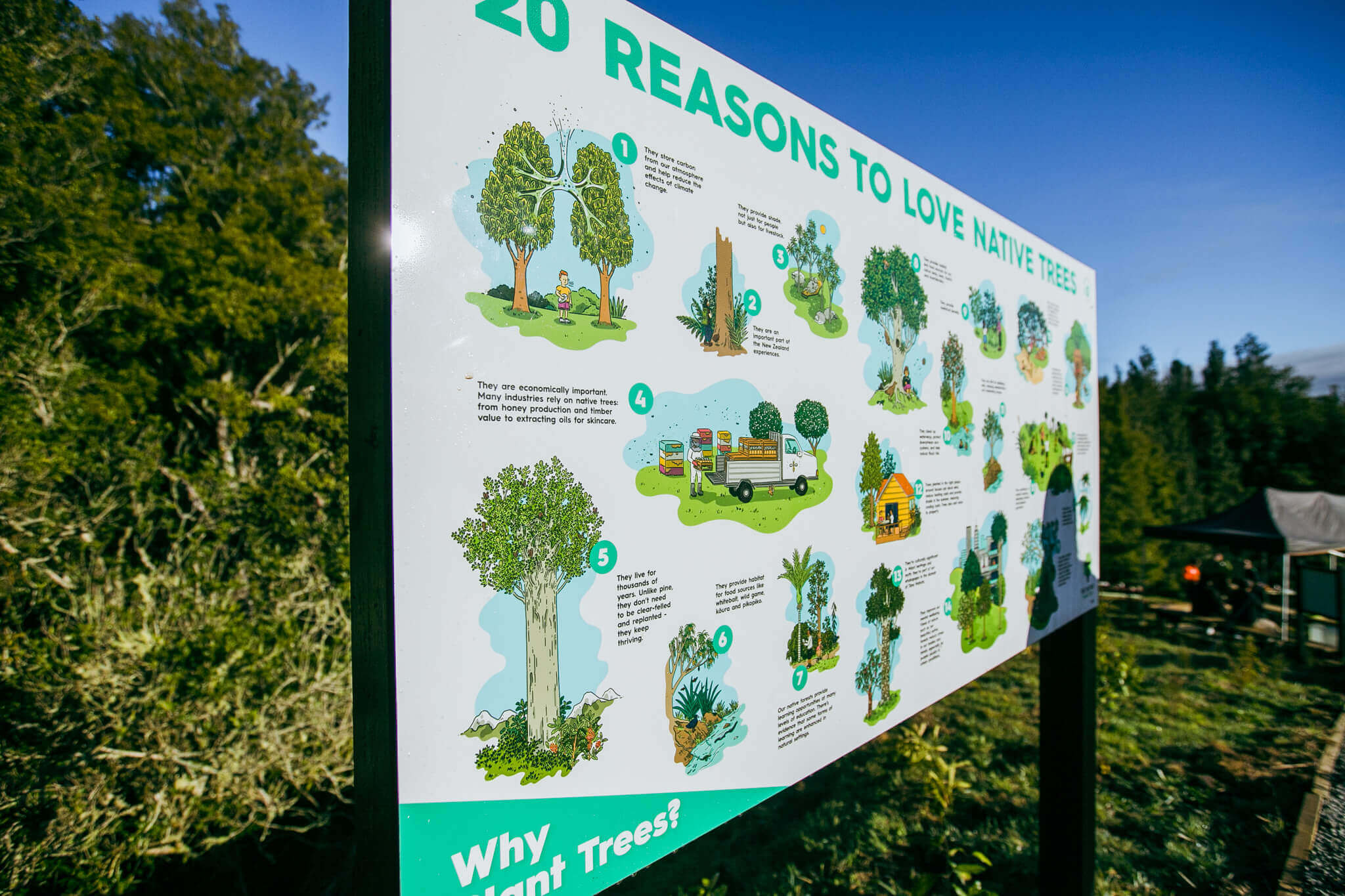
Carbon positivity is not just a certificate. It shows up in the landscape. Rotorua Rafting has cleared 12,000 square metres of surrounding farmland of blackberry and gorse — invasive species that degrade waterways and crowd out native plants. In their place, 5,000 native trees have been planted, with a target of 10,000 native manuka along the river edge. Manuka not only sequesters carbon; it stabilises riverbanks, reduces erosion, and creates habitat. The goal is a river edge defined by native life, not exotic weeds.
Reducing Waste at the Base
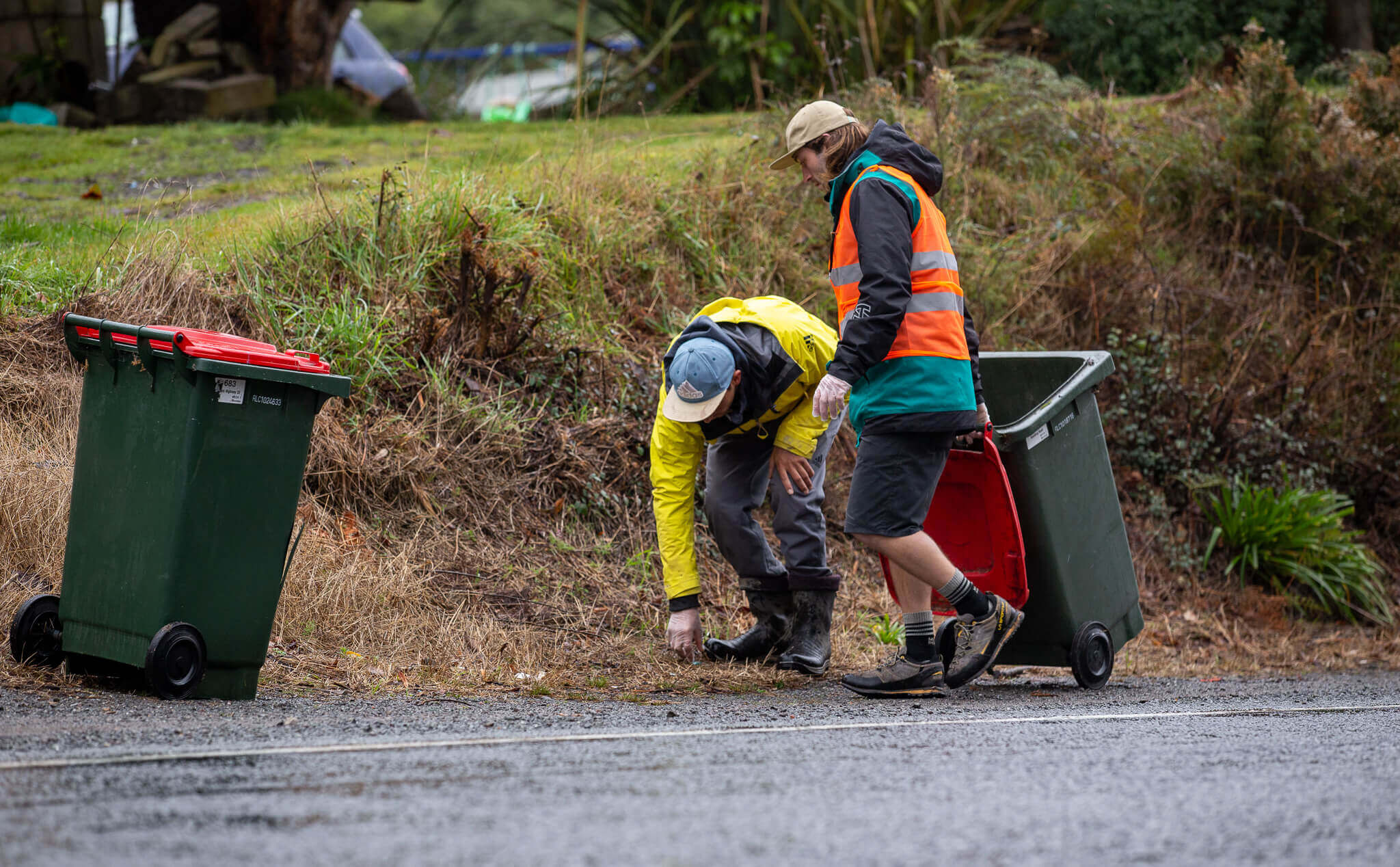
The sustainability work extends to everyday operations too. At the Rotorua Rafting base, waste to landfill has been cut from three bins a week to one. Composting and recycling have replaced single-use disposal. Environmentally friendly cleaning products protect the waterway downstream. These are not headline achievements, but they are the unglamorous engine room of a genuinely low-impact operation.
If you want to be part of an operation that gives back more than it takes, book your Kaituna River rafting experience through our website.
You can also add a $2.50 donation at checkout — every dollar goes directly into our Ōkere Falls conservation projects!